Technology
ADC Mechanism
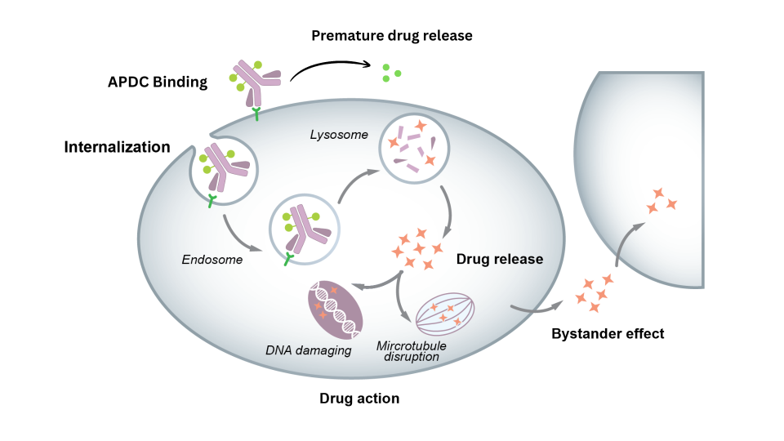
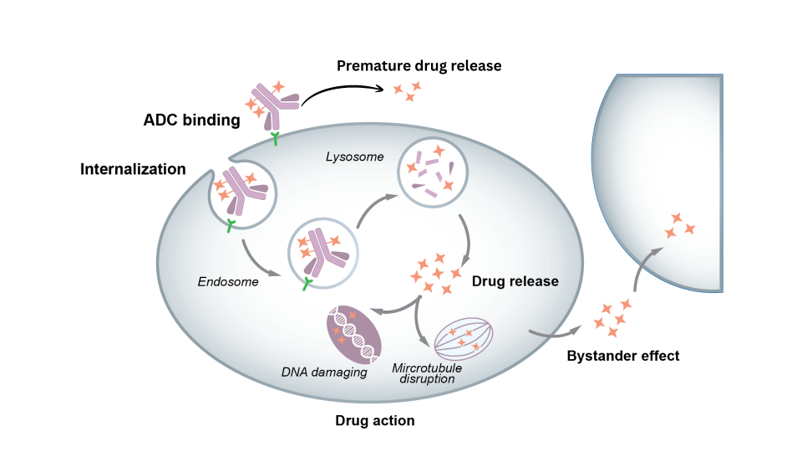
Antibody-Drug Conjugates (ADCs) are a class of targeted cancer therapies designed to deliver potent cytotoxic drugs specifically to cancer cells by linking them to monoclonal antibodies that recognize tumor-associated antigens. Structurally, an ADC consists of three key components: an antibody for targeting, a cytotoxic payload for killing the cancer cell, and a chemical linker that connects the two and controls drug release.
Toxicity Issue of ADCs
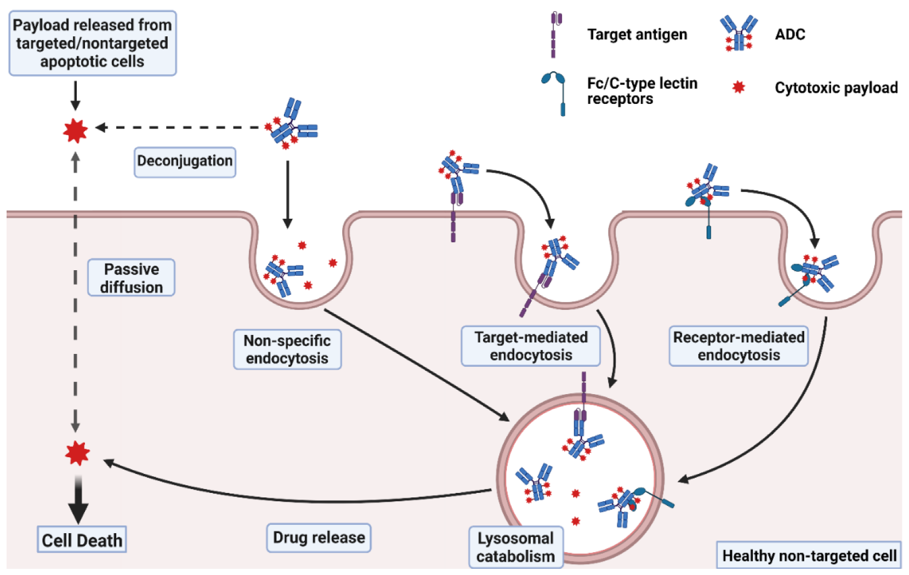
Despite their targeted design, Antibody-Drug Conjugates (ADCs) can still cause significant toxicity due to factors such as off-target effects, premature payload release, and bystander killing of nearby healthy cells. Common toxicities include hematologic effects (e.g., neutropenia, thrombocytopenia), liver toxicity, and peripheral neuropathy, which are often related to the nature of the cytotoxic payload and its systemic exposure. Additionally, the stability and cleavage mechanism of the linker can influence toxicity, as unstable linkers may release the drug prematurely in circulation. Managing these toxicities remains a key challenge in ADC development and is a major focus of ongoing research to improve therapeutic windows and patient outcomes.
APDC Advantages
Our Antibody-Prodrug Conjugates (APDCs) strategy aim to reduce ADC toxicity by replacing highly toxic payloads with low- or non-toxic prodrugs, and selectively converting the prodrug to toxic payload only within the tumor micro-environment. Tumor-specific conditions used for prodrug activation include: acidic pH (low pH in endosomes/lysosomes), hypoxia (low oxygen levels in cancer cells), and overexpressed enzymes, such as cathepsins. The Antibody-Prodrug Conjugate (APDC) approach reduces systemic toxicity and off-target effects. By enabling the use of otherwise too-toxic payloads and enhancing control over drug activation, APDCs represent a next-generation advancement in targeted cancer therapy.